
FOR WRITERS WRITING TRUE: THE RIVER OF CHARACTER
You got a Character you want readers to cleave to, and feel in their marrow and hearts and dreams? Stage a River.

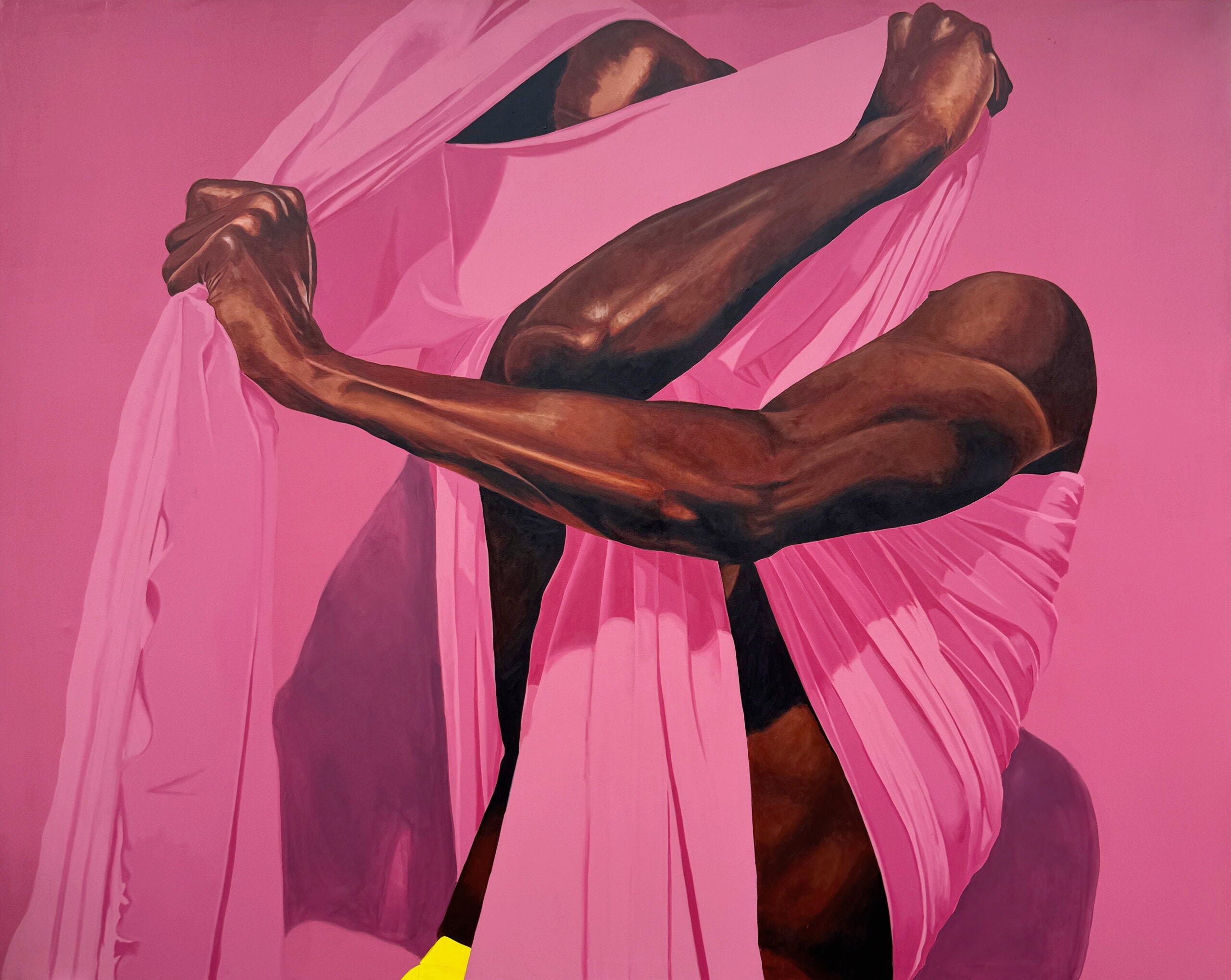
As writers we seek to create characters and worlds that have the presence, the authority of what is real, of what is. This is a formidable task that we can make easier by selecting materials or deploying techniques that are themselves convincing.
One such technique that has helped me always is a Character’s River. In Texas Hold’em, the River is the last card flipped over, the one that determines the hand. If we imagine people (and by extension Characters) as a hand in poker, we all have cards beyond our face cards, beyond what’s easily discernible to others. Sides of ourselves that are revealed only under pressure or when our carefully curated self-assemblage slips. These River reveals are not just memorable (and often, at the interpersonal level, decisive), they are important tools for selling our Characters in fiction, for appropriating the presence of the real.
You will recall Maya Angelou’s famous exhortation When someone shows you who they are, believe them.
Wise words for life and for writing. To create believable Characters, organize instances where your Characters show us who they really are — in other words, create a Character River. Reveal a side of them that would not be otherwise accessible to a reader.
Often this River side contrasts with their outward demeanor, with their face cards, alludes to their inner contradictions. Sometimes the River reveals that the surface-self is in fact deep — is in fact, character.
Perhaps one the most famous Rivers in nerd canon is Frodo’s startling reaction when confronted with the danger that Gollum has put him and the entire Shire in:
‘But this is terrible!’ cried Frodo. ‘Far worse than the worst that I imagined from your hints and warnings. O Gandalf, best of friends, what am I to do? For now I am really afraid. What am I to do? What a pity that Bilbo did not stab that vile creature, when he had a chance!’
Hitherto Frodo has presented himself “as nice a young hobbit as you could wish to meet”. But when his life is in peril Frodo lets slip a ruthless inhuman aspect, a River reveal that will over the course of three volumes determine the fate of the world.
And then there’s Pilate’s final words at the end of Morrison’s Song of Solomon. Pilate has just been shot by Guitar (the bullet was meant for Milkman) and you would think as she lays dying in Milkman’s arms she would rage at the injustice but no; she says instead:
“I wish I’d a knowed more people, I would of loved ‘em all. If I’d known more, I would a loved more.”
And here at the end of her life we see who Pilate was all along, and an already convincing portrait becomes imbued with the presence and authority of the real.
Third example (sans spoilers): I recently watched Curry Barker’s wild film Obsession. The protagonist Bear spends the opening quarter of the film agonizing over revealing his “love” for his friend Nikki. And then Nikki asks him point-blank if he’s into her and his response, a River if I’ve ever seen one, exposes an aspect of Bear that haunts the rest of the film.
You got a Character you want readers to cleave to — to feel in their marrow and hearts and dreams?
Stage a River. Make it surprising, low key or high key.
Back in graduate school I left a generous tip at a restaurant and as I was leaving I saw the woman I was dating at the time steal the tip. This really happened, in Ithaca, at Plums. I didn’t say anything. I walked half a block with her and then pretended I’d left something at the restaurant and went back and left another tip.
What happened next doesn’t matter. What matters is that when I design Characters I’m always looking for Rivers that equal the unnerving truth-effect of that surprising reveal.
This is excellent. That last anecdote is either the beginning or the end of a short story.
Stage a River, that's a great phrase. I'll cleave to it.