
READ WATCH PLAY FEAST - JUNE
PLUS OFFICE HOURS!

I’ve been doing some events since last we touched base — plus supporting a friend’s Congressional campaign (he won the primary!) — and what’s been uplifting is the sense I’m getting that despite the horrors of our moment people are less demoralized, more fight-full than at the start of the year. And then there’s all the positives coming out of Mamdani’s NYC — from the Knicks to the recent election.
And that’s all really fucking good. Hard to be an artist at any time but harder when the country you’re in is plunging straight into coup-land and dragging the rest of the world along with it— we need to keep building if we’re ever going to turn the page on this current evil.
I’ve been trying to work on my Gilgamek novel which has been a weird experience throughout. Beyond the standard difficulties of putting together a novel (and in a genre I’ve not familiar with as a writer), the new work has generated some interesting reactions from friends and readers. A long-time reader told me she can’t wait until I write something normal. A writer I respect wrote me (quoted with permission), No historical trauma or tortured quest for identity? Pal, you lost the book clubs with this one.
But as all of you writers know — while we may long for the present to read us, we write for the future.
At least that’s what I tell myself.
So onward, right?
As always: tremendous gratitude to all our subscribers. Thank you for hanging and sharing with us. These are not easy times to be readers or writers. I hope this little newspaper helps even a little.
AND ALSO … IT’S TIME FOR OFFICE HOUR!
If you have any questions regarding building stories or the creative life in general — if you have any questions about anything we’ve been discussing — please post them in the comments section below or message me directly.
Without anymore delay here’s what’s kept me in art and hope these last months.
READ

If you missed my chat with Dimitry check it out here. Brilliant writer and brilliant human being, who has written a most brilliant novel.
What I said:
An explosion of a novel, bursting with wit, passion and politics, Death of the Soccer God recalls Paul Beatty by way of Kapuściński’s, The Soccer War but in truth Léger is a complete original and he has written a wild moving tale that should not be missed.
What the publisher says:
A global soccer star’s epic ride to the 1950 World Cup places him in shooting distance of his dreams and his own death.
Gilbert Chevalier’s life is a mid-century miracle: wealthy, handsome, beloved by every woman he meets, and blessed with incomparable talents on the soccer field. And it’s all about to end. . .
Gil’s father makes him swear off the sport, to focus on his studies. When he leaves the bourgeois comforts of Port-au-Prince high society and moves to the dizzying, jazz-soaked streets of Harlem to attend Columbia University, the promise is broken. Scrimmaging in Central Park, he’s spotted by the U.S. National Team’s coach and is recruited to play for the Americans in the 1950 World Cup in Brazil. And then he flies too close to the sun.
Gil’s unraveling is the wild stuff of myth: a plea to God for salvation; secret messages smuggled across continents; lovers shuffled, scorned, and reclaimed; and journeys past the veil between our world and the afterlife. From the Caribbean to the States, to South America and back, Gil’s adventures are lush and lurid, and delivered with a breathless, breakneck pace synonymous with the world’s most popular sport.
Death of the Soccer God by Dimitry Elias Legér is a passionate and improbable love story, and a roaring Pan-American tale about the price of fame. Inspired by the unbelievable yet true story of an intrepid young Haitian immigrant and energized with the high-voltage fervor of a packed stadium, Death of the Soccer God is a heady dance between life and death, an answer to the eternal question: can love save us?
What I said in the New York Times:
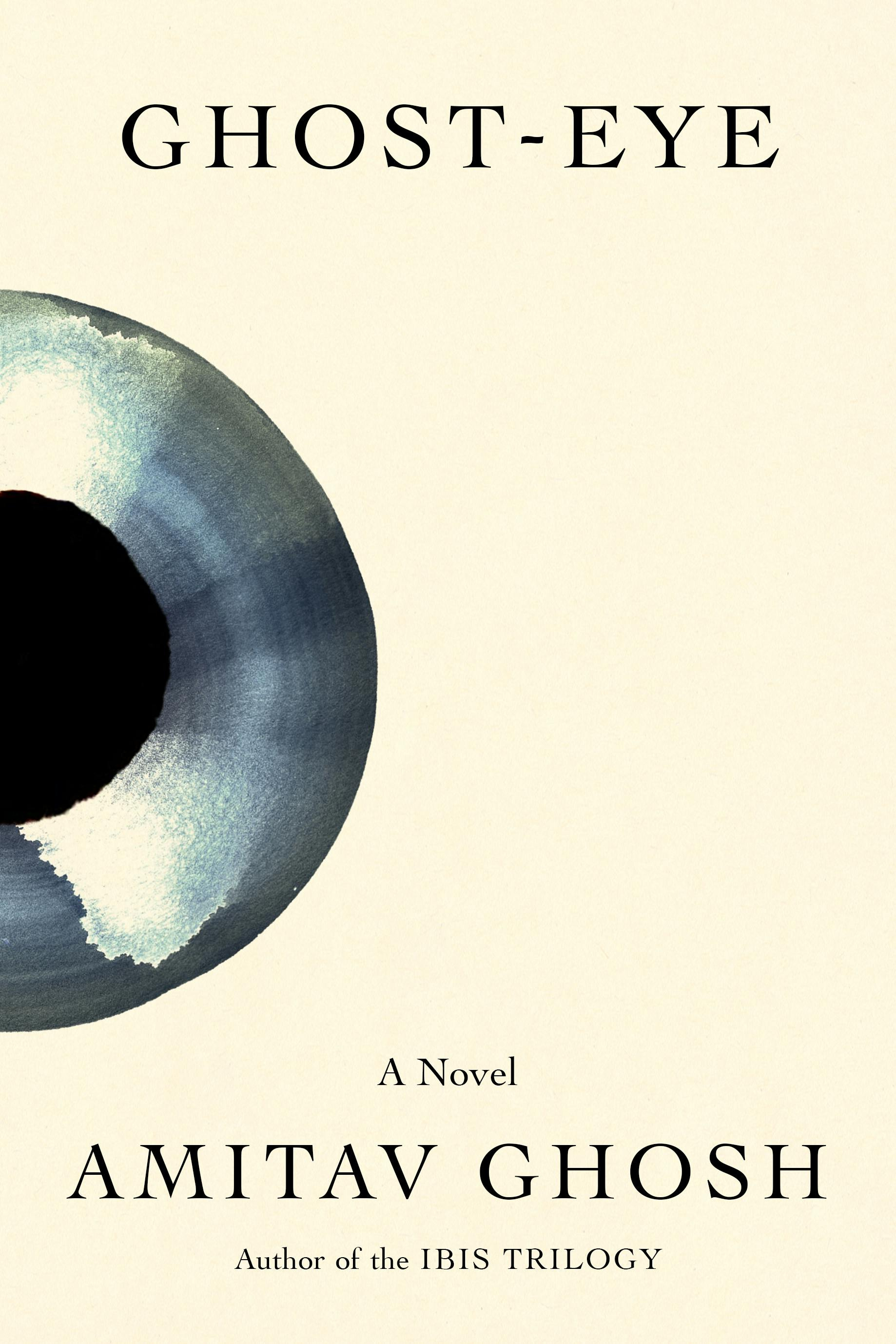
The term “one of a kind” gets bandied about in the arts quite a lot but the writer Amitav Ghosh not only deserves the encomium, he could function as a handy benchmark for assessing whether others merit it. Call it the Ghosh Minimum. If an artist is as arrestingly original and as bad-ass multivalent as Ghosh — sui generis. If not — ejusdem generis, like the rest of us.
Transnational and translingual, with a planet-spanning curiosity, Ghosh is a synthesist of the highest order, able to weave big, genre-bending ideas, vast sweeps of History and nuanced characterizations into compulsively readable narratives. He consistently centers voices and communities erased by Empire — that rare decolonial writer who grapples nimbly with small tender things and hyperobjects alike, without subducting either.
In 2016, Ghosh published his influential trumpet blast on climate change, “The Great Derangement,” in which he argued that Western literary realism should be condemned for its stubborn unwillingness to address the great destroyer in the room: our climate apocalypse. (His argument would have been undone, or at least attenuated, had he included speculative fiction in his survey, or the subgenre of realist climate-change novels that have appeared in the years since.) From that point on, Ghosh’s counternarratives of empire, fictional or otherwise, have been imbued with an ecocritical sensibility that occasionally lapses into stridency but is never hopeless or — Gaia forbid — dull.
Over three decades, Ghosh has produced a killer run of consistently smart, consistently searching novels. He’s on an Ohtani-level tear, made all the more surreal by his ambition. Dude’s always swinging for the fences.
Which brings us to Ghosh’s latest novel. How to describe the wild “Ghost-Eye”?
“Ghost-Eye” is about Varsha, a 3-year-old girl in 1969 Calcutta, who shortly after the moon landing and the death of Ho Chi Minh announces to her wealthy Marwari Hindu family that she is neither a vegetarian nor their daughter. She claims to be a reincarnated young Bengali fisherwoman named Isha, which would be utterly ridiculous if not for Varsha’s sudden uncanny expertise in riverine fish. She turns out to be something of a paracausal prodigy, capable of remote viewing and future telling and perhaps other things.
“Ghost-Eye” is about Shoma Bose, the “highly qualified therapist and psychologist” who has previously worked with “children who remember past lives.” She tries to help Varsha/Isha and confirm once and for all the reality of “reincarnation types,” as the academic literature calls these cases. Shoma gets important assists from a variety of test fish and her über-skeptic pediatrician husband, Monty — and from Dev, their Burmese Nepali driver, an orphan refugee whom the family took in years ago. Dev himself has a guardian spirit, Shindaw Nat, whom he can call upon to intervene in affairs both natural and supernatural (especially useful when a local tree spirit is pissed off).
“Ghost-Eye” is about our narrator, Dinu Datta. In 1969, Dinu is Shoma and Monty’s 7-year-old nephew, who lives with them part time and is witness to all the strangeness surrounding the Varsha case. In the present, Dinu is a nearly 60-year-old “bookish type of the sorriest kind.” He’s living lovelessly in Brooklyn when the Covid pandemic cuts him off from Calcutta and his beloved, faltering 85-year-old aunt Shoma, who has started saying some very weird things.
“Ghost-Eye” is about Tipu, a rascally climate activist who sets the novel in motion by asking Dinu for help locating the mysterious client his aunt was treating back in 1969. Turns out Tipu is a ghost-eye, capable of shamanic abilities (weak ones in his case), and belongs to the ghost-eye guild, a low-key version of Rushdie’s midnight’s children. The ghost-eye guild believes that Dinu’s aunt’s mysterious client is the key to altering the climate fate of the world.
“Ghost-Eye” is about the Sundarbans, the world’s largest mangrove forest, which is rapidly succumbing to human predation and the slow violence of climate change — and it’s also about the river fish that Varsha/Isha grew up on and longs for.
And finally, “Ghost-Eye” is about a planetary irruption, “when the world’s hidden potentialities burst out and suddenly two plus two adds up to five, or six, or one gazillion.”
All in a trim 322 pages. No one will ever accuse Ghosh of a lack of audacity.
Read the linked review for the full review. The short pull: A flawed but incredible fascinating book.
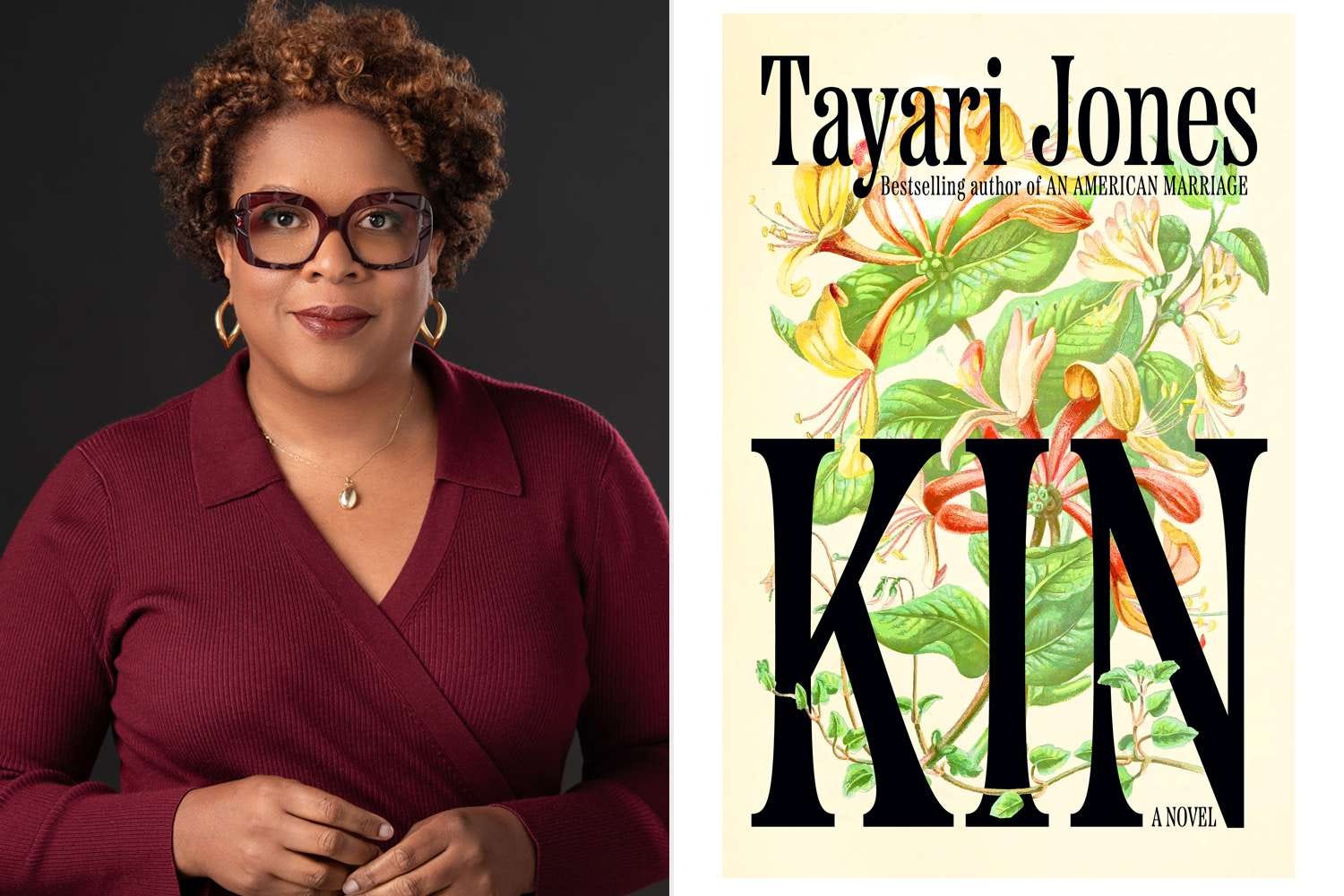
Tayari Jones has done it again. Kin is a showstopper. I read this book in two days and I doubt anything on this planet could have stopped me from turning the pages.
What the publisher says:
Vernice and Annie, two motherless daughters raised in Honeysuckle, Louisiana, have been best friends and neighbors since earliest childhood but are fated to live starkly different lives. Raised by a fierce aunt determined to give her a stable home in the wake of her mother’s death, Vernice leaves Honeysuckle at eighteen for Spelman College, where she joins a sisterhood of powerfully connected Black women and discovers a world of affluence, manners, aspiration, and inequality. Annie, abandoned by her mother as a child and fixated on the idea of finding her and filling the bottomless hole left by her absence, sets off on a journey that will take her into a world of peril and adversity, as well as love and adventure, culminating in a battle for her life.
A novel about mothers and daughters, friendship and sisterhood, and the complexities of being a woman in the American South, Kin is an exuberant, emotionally rich, unforgettable work from one of the brightest and most irresistible voices in contemporary fiction.

Also because my friend D— told me I need to read and boost more poetry, the best poem I read these last weeks.
Object Permanence
by Nicole Sealey
(for John)
We wake as if surprised the other is still there,
each petting the sheet to be sure.
How have we managed our way
to this bed—beholden to heat like dawn
indebted to light. Though we’re not so self-
important as to think everything
has led to this, everything has led to this.
There’s a name for the animal
love makes of us—named, I think,
like rain, for the sound it makes.
You are the animal after whom other animals
are named. Until there’s none left to laugh,
days will start with the same startle
and end with caterpillars gorged on milkweed.
O, how we entertain the angels
with our brief animation. O,
how I’ll miss you when we’re dead.
from her book Ordinary Beast
WATCH
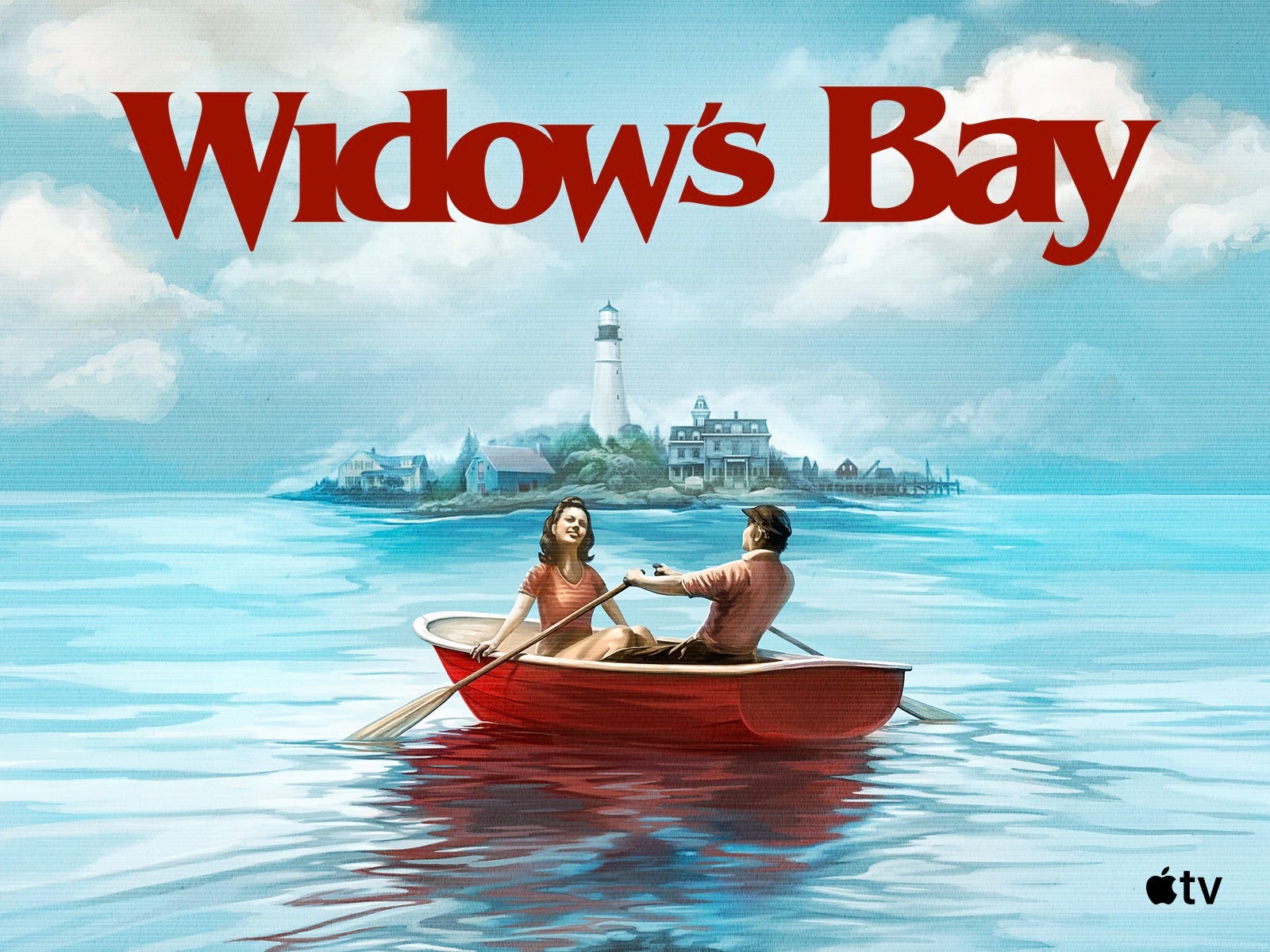
Widow’s Bay is the best show on TV right now. Every single person I’ve turned onto this show, even those who ain’t about horror, even those who never watch TV, have come back with raves. No other TV hast balanced scary and comedy to such perfection.
What I said: Among the many reasons that I love WIDOW’S BAY is that it seems to have been created two decades ago and beamed into the future, our present. There is no concession to the average attention-frakked phone-never-letting-go viewer (nearly all of us). So much is happening on the edges of scenes, in the background, that if you’re not paying attention you’re not watching it.
And unlike most shows on Netflix and beyond, characters don’t synopsize the plot or their character’s personality every five seconds (the PLURIBUS problem).
To watch WIDOW’S BAY is to be reminded of what we used to be like and what I wish we could all be again.
Also: the show holds no hand
Also Also: Patricia is the fucking GOAT.
Also also also: the bars don’t stop — Now you’ve ruined bookclub.
Also also also also: the creator Katie Dippold grew up down the road from me in Freehold and went to Rutgers and was inspired by the haunted “house” on the Jersey Shore that I was obsessed with growing up, the Brigantine Castle.
Holy Cow is tender searching perfection. You might not be interested in French cheese-making country but this one will win you over in the first ten minutes. Every facile American film of youth-overcoming-all-odds needs to sit the fuck down in the face of this subtle moving masterpiece about how hard it is to wake up when young, how hard it is to love another persona and to start the long complicated process of building a real life.
PLAY
FEAST
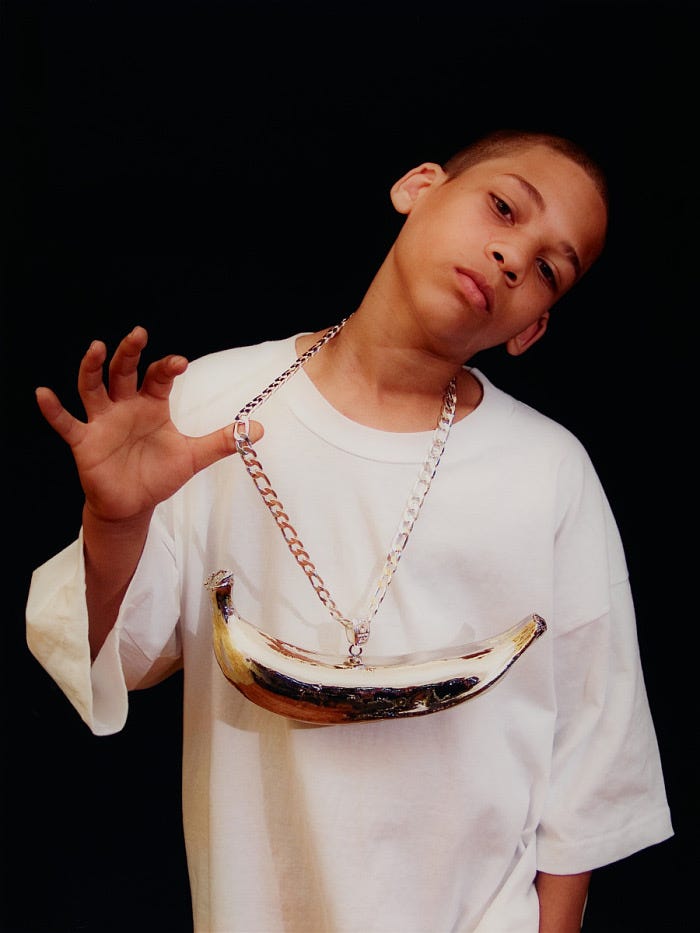
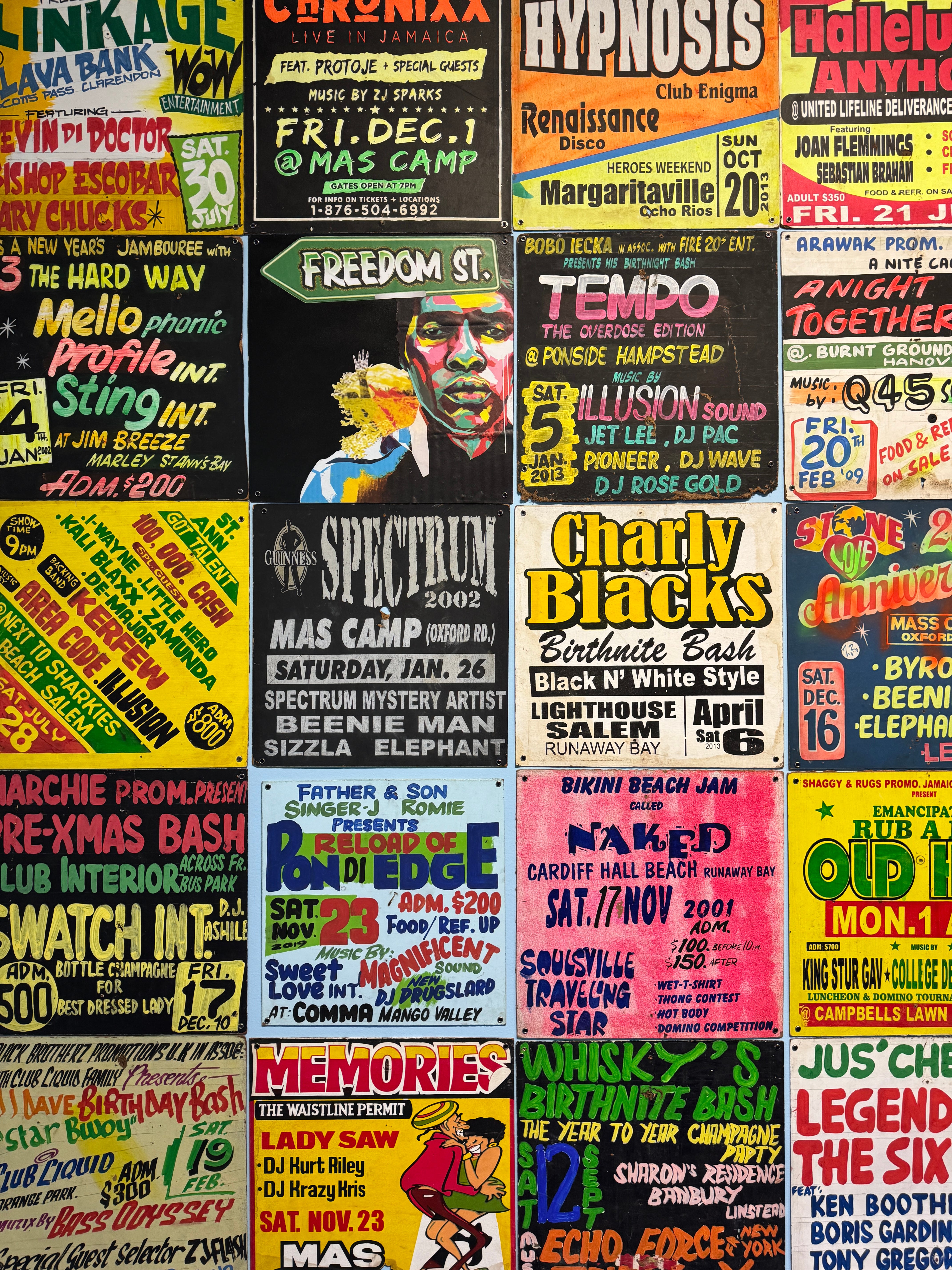
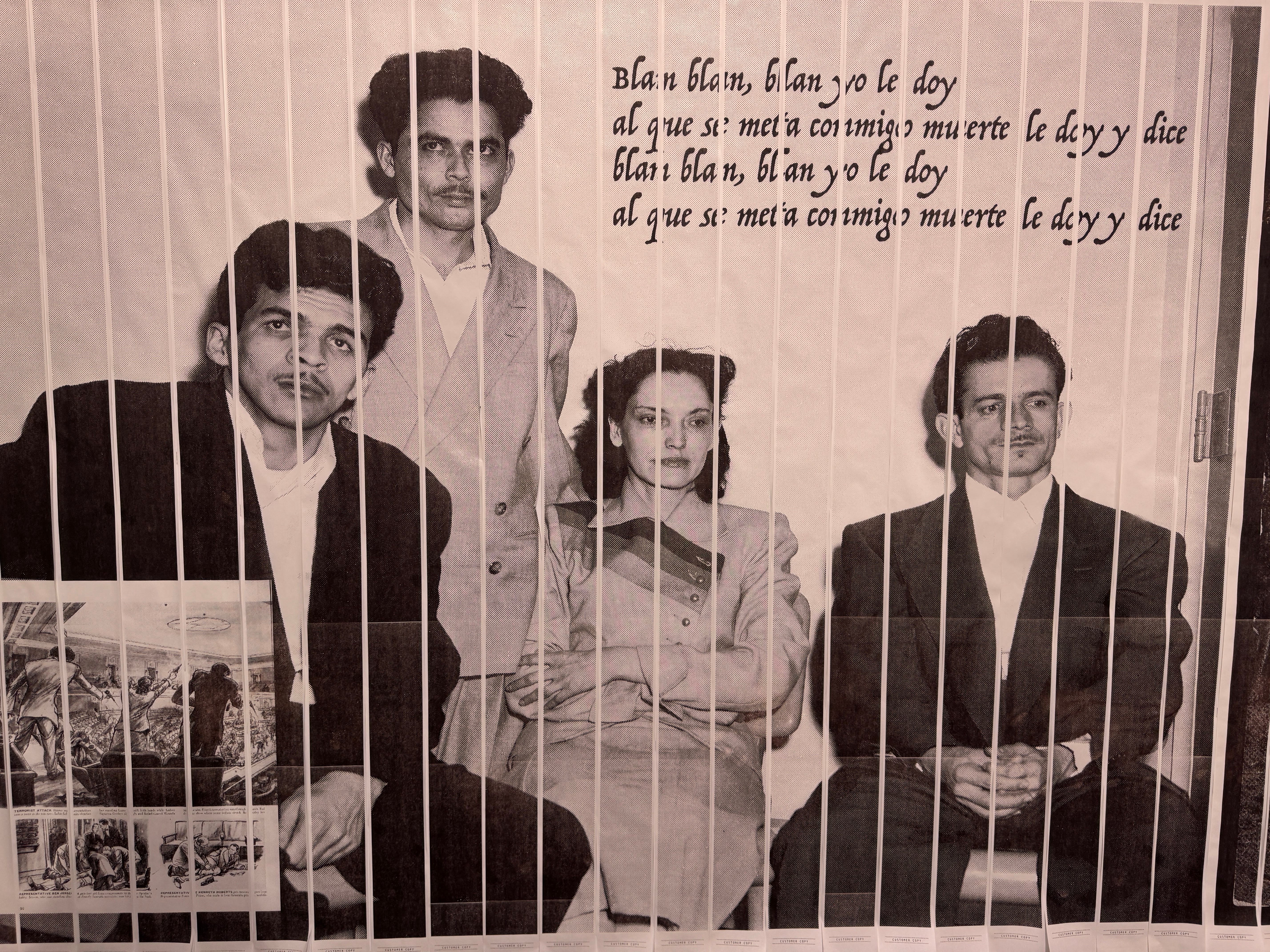
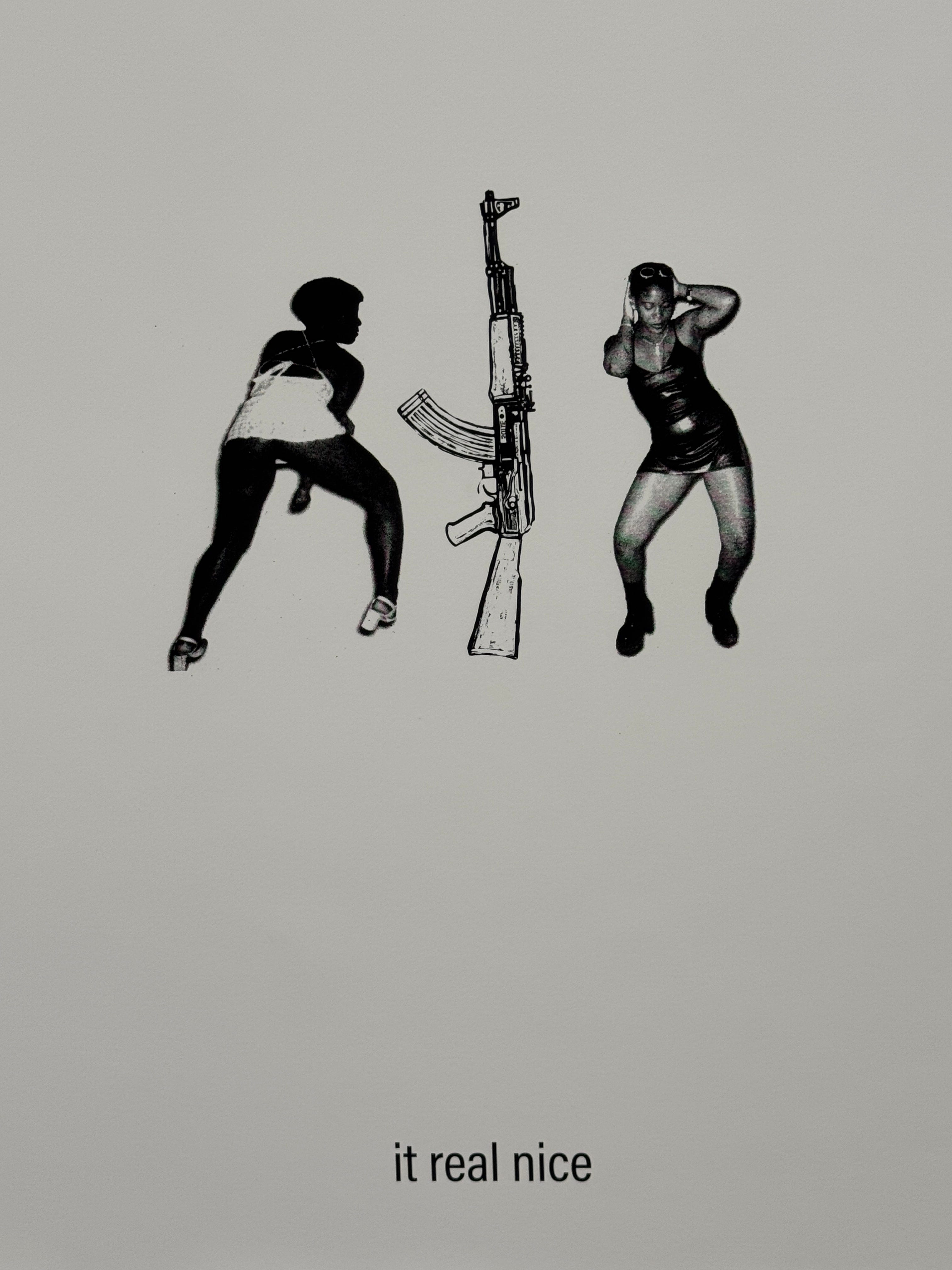
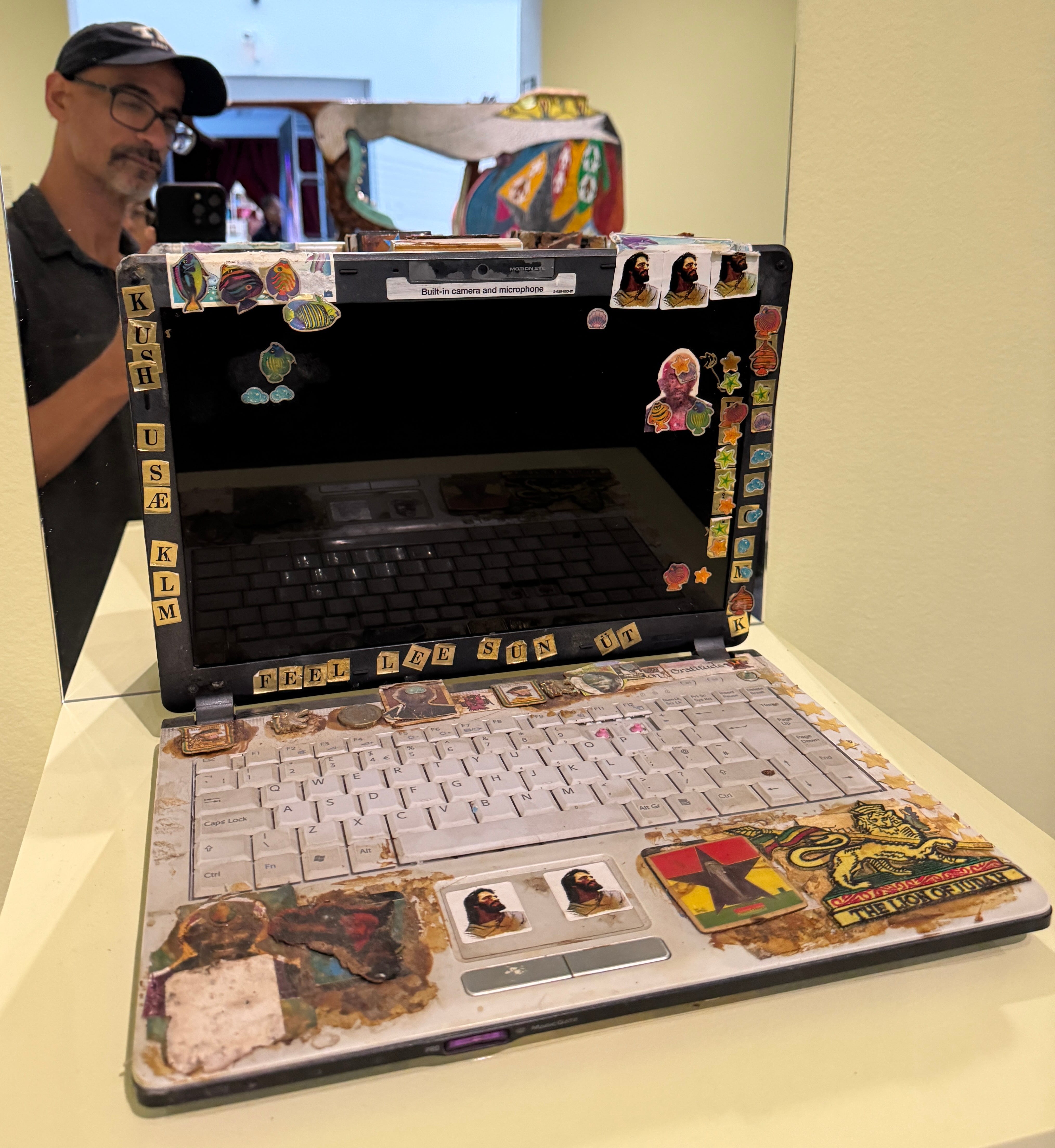
If you’re anywhere near Chicago run to the Museum of Contemporary Art’s exhibit Dancing the Revolution: From Dancehall to Reggaetón
This one is the true upsetter. Perhaps the best act of art wonderment I’ve seen in years. Plus they got Lee “Scratch” Perry’s computer!
Alright friends, that’s it for now. Hope this encourage / inspires someone, somehow.
Thank you for your patience and talk more soon.
Not that you're asking, but I really like Gilgamek and am looking forward to your next installment whenever that happens to be. Who are all these people trying to pigeon-hole an artist into one genre? Make the art that feeds your soul.
Will the snobbery around genre never end. I take that personally on your behalf.